Security & Privacy
Keeping your keys, accounts and savings out of the wrong hands.
- 7 explainers
- 52 sources cited
Start with
Seed phrases explained
What the 12 or 24 recovery words actually encode, and how to keep them out of reach.

Crypto scams at the transaction level
Transfers, approvals, permit signatures and poisoned addresses: the on-chain end of every scam.
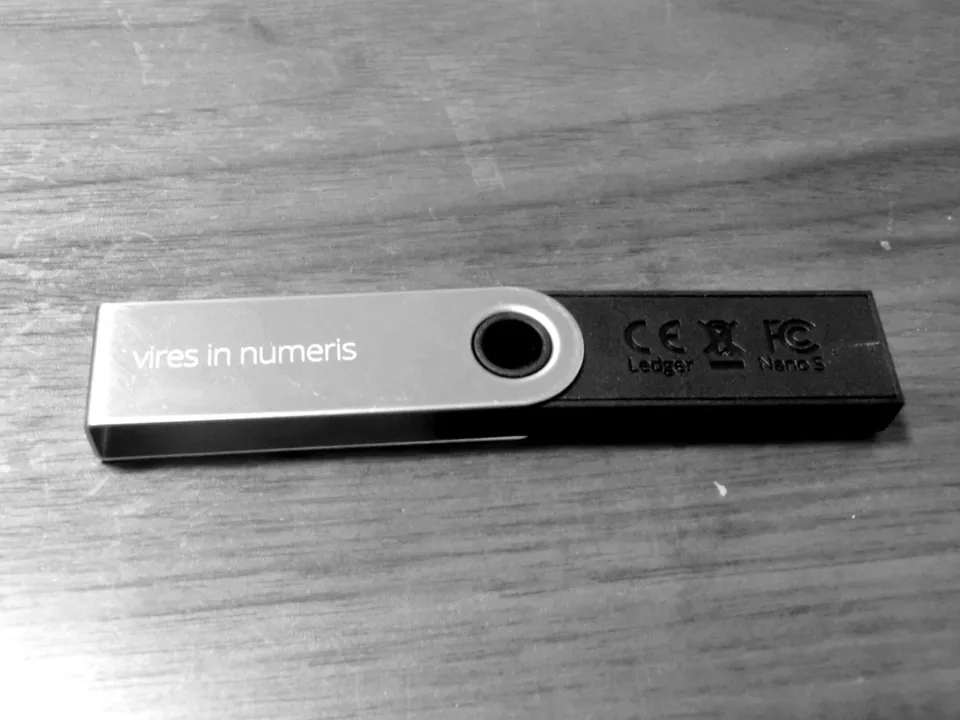
Hardware vs software wallets
Online keys versus offline keys: the trade-off between convenience and exposure, explained.
Pig butchering scams explained
A fake relationship, a fake trading platform and a scripted ending: the stages and the red flags.


What does the Security section cover?
Most crypto losses that have nothing to do with price come from a handful of mistakes: a seed phrase seen by someone else, a fake website, an approval signed without reading it, or a new online “friend” who introduces an investment platform. These explainers show how each attack works and what stops it.
Which explainer should you read first?
- Seed phrases explained: the master backup, and why anyone who sees it controls the wallet.
- Hardware vs software wallets and two-factor authentication.
- Phishing and address poisoning and token approvals and wallet drainers: the two most common technical tricks.
- Common crypto scams and pig butchering scams: the social side.
Which protections matter most?
- Guard the backup as well as the device. The SEC’s custody bulletin notes that offline wallets are harder to hack but can be lost, damaged or stolen.
- Use a strong second factor. CISA says any multifactor authentication is better than none, and names FIDO/WebAuthn as the widely available phishing-resistant option, because it refuses logins on fake websites.
- Treat payment demands as a warning. The FTC says only scammers demand payment in cryptocurrency, and that crypto payments usually cannot be reversed.
- Be wary when an online contact turns to investing. The FTC treats a person met online who asks for money or steers you towards crypto as a sign of fraud.
Sources for this guide
- Crypto Asset Custody Basics for Retail Investors, SEC Investor.gov (accessed 13 October 2026)
- More than a Password, CISA (accessed 13 October 2026)
- What To Know About Cryptocurrency and Scams, Federal Trade Commission (accessed 13 October 2026)
Every explainer in Security & Privacy
Two-factor authentication (2FA)
SMS codes, authenticator apps, passkeys and security keys compared for bank and crypto accounts.
Phishing and address poisoning
Lookalike sites and lookalike addresses: how both scams work and the habits that defeat them.
Token approvals and wallet drainers
What you allow when you click Approve, how drainers exploit it, and how to revoke old permissions.



Terms used in this section
Glossary A–Z- Address
The public string that receives coins and tokens, how it is derived and how to check it.
- Airdrop
Tokens sent to many wallets at once — the tax angle and the scam angle.
- Block explorer
The search engine for a public blockchain, and how to read a transaction page.
- Cold storage
Keeping private keys offline: hot vs cold wallets and the risks of each.
- Hash function
The fixed-length fingerprint behind blocks, addresses and mining.
- Multisig
Wallets that need several keys to sign, and what an m-of-n set-up protects against.
Other layers of the stack
All sectionsCrypto Basics
What crypto is, how blockchains and wallets work
8 explainersNetworks & Ecosystems
Bitcoin, Ethereum, Solana, layer 2s and smart contracts
6 explainersDeFi
Decentralized exchanges, lending, oracles and their risks
9 explainersStablecoins & Payments
How dollar-pegged tokens work and where they break
7 explainersMarkets & Macro
Inflation, interest rates, ETFs and how markets move
6 explainersMining, Staking & Infrastructure
Consensus, mining, staking, nodes and bridges
12 profilesAsset Profiles
Fact files on major crypto-assets: what they are, who runs them, key dates and risks — no live prices