News analysis ·
Sepolia tests Glamsterdam with a 200 million gas ceiling
Ethereum's Sepolia testnet activated Glamsterdam with a block gas cap near 200 million. We explain what the gas limit controls and who feels the change.
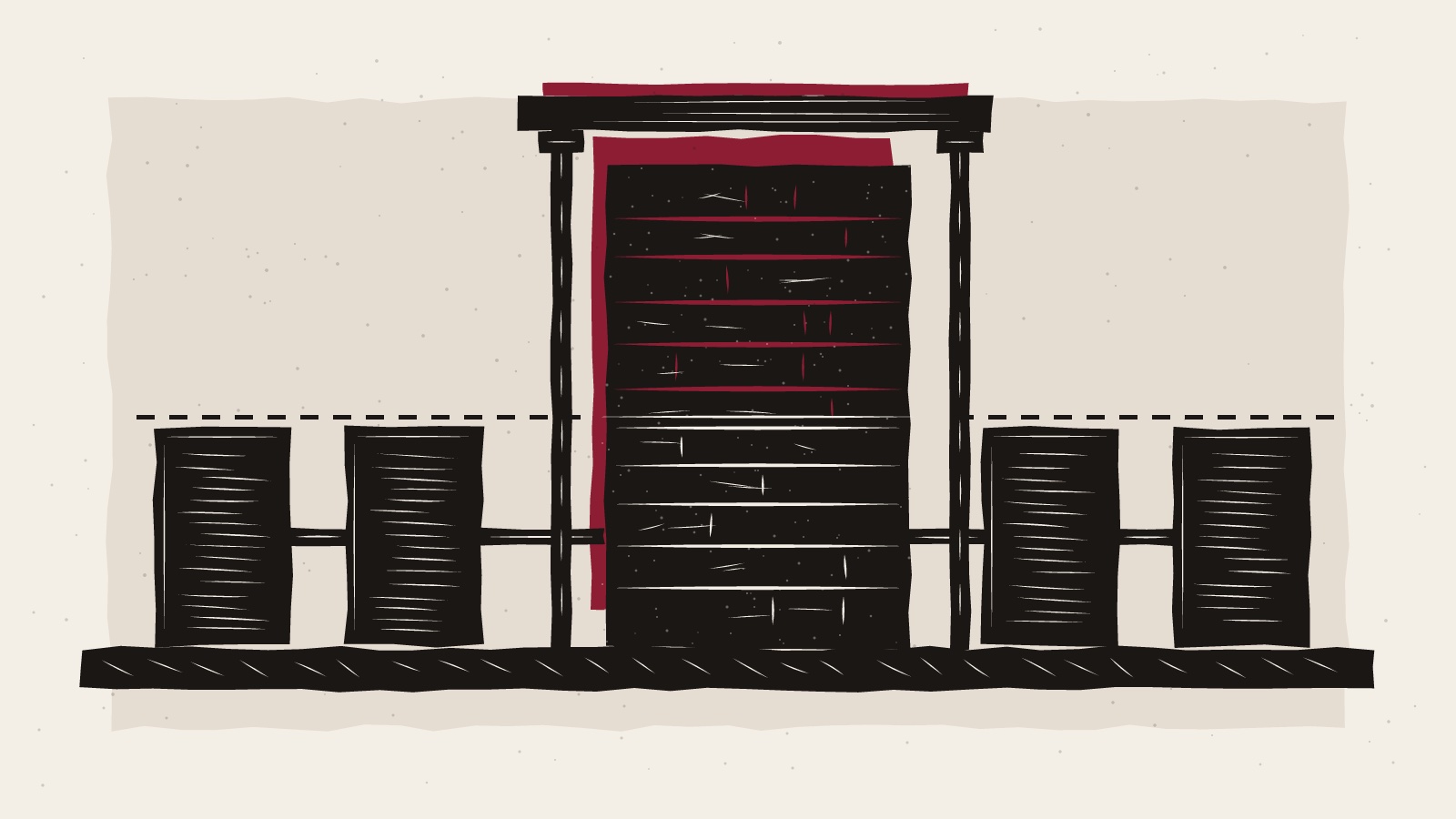
Ethereum's Sepolia test network switched on the Glamsterdam upgrade on October 6, and its blocks now allow close to 200 million units of gas. That is more than three times the 60 million cap on Ethereum's main network. This article explains what the gas limit actually controls, why it has risen so slowly, and who would carry the extra load if mainnet followed.
The change in one paragraph
According to Decrypt, the higher ceiling was set in a code commit tied to epoch 353,024, which began at 13:53:36 UTC. An epoch is a fixed slice of Ethereum's timeline that lasts 6.4 minutes. From that point, each Sepolia block could hold almost 200 million gas. Sepolia is a test network. Its coins are worthless by design, so developers can try changes without putting anyone's money at risk. Nothing changes on mainnet yet.
Under the hood: what the gas limit does
Gas is Ethereum's unit for computing work. Every transfer, swap or contract call uses some amount of it. The gas limit is the most work a single block is allowed to contain. Raising it does not change how much each action costs in gas. It changes how much fits into one block.
Decrypt was careful to note that a bigger cap does not on its own mean three times as many transactions. It only means a block has more room when demand rises. A snapshot of 25 consecutive Sepolia blocks on October 8, numbers 11,872,013 to 11,872,037, showed them using about 24% to 43% of the cap. So most of the new space was unused in that sample.
The moving parts look like this:
- Before: mainnet blocks cap out at 60 million gas, the default since the Fusaka upgrade went live on December 3, 2025.
- On Sepolia now: the cap is close to 200 million gas after Glamsterdam.
- Roadmap item: block-level access lists, which record the accounts and data each block touches so nodes can check transactions in parallel rather than one at a time.
- Roadmap item: enshrined proposer-builder separation, which moves the auction for building each block out of outside middleware and into Ethereum's own rules.
Both are described as roadmap items. Validators bear more strain when blocks grow.
Why the cap has crept up slowly
Bigger blocks take longer to pass around and to check. Ethereum Foundation researchers had warned that caps above 40 million could "fail to propagate as expected" across the network. That warning shaped a cautious path. In February 2025, validators voted 52%-to-48% to lift the cap from 30 million to 32 million. Later in 2025 it reached 60 million, and Fusaka made that figure the default. That vote was close.
Who is affected
Validators feel it first. These are the computers that lock up ETH as collateral and verify each block. Larger blocks mean more data to download, process and share in the same amount of time.
Everyday users feel it through fees. When many people want block space at once, users outbid one another for a place in the coming block, and fees jump. More room per block can soften those spikes during busy periods. It does not remove fees, and it does not help if demand outgrows the new room.
Developers and app teams use testnets like Sepolia to see how their contracts behave under new rules before real money is involved. Sepolia has played this role before: it hosted the Merge rehearsal on July 6, 2022, moving to proof of stake ahead of mainnet.
Status and next steps
Decrypt reported that no date has been set for Hoodi, another public testnet, and that no mainnet upgrade is scheduled. Mainnet therefore stays at 60 million gas for now. Ethereum developers describe a possible mainnet increase toward roughly 200 million after Glamsterdam, but that is a stated direction, not a fixed plan. The longer arc comes from Vitalik Buterin, who in July outlined a three to four year plan to rebuild nearly all of Ethereum's main components. Watch for a Hoodi date, for how full Sepolia blocks get under real testing, and for any mainnet timeline.
Sources
- Decrypt, 8 Oct 2026
AI wrote this summary from the primary documents and reports cited above. It went live automatically after checks that figures match those sources and nothing is copied; there was no human review. It explains a protocol or rule change and is not investment advice.